Quick answer
A standard session runs 20-45 minutes at 120-155°F (49-68°C). Beginners start at 110-125°F (43-52°C) for 15-20 minutes. Drink 16-20oz water beforehand, bring more to sip inside. Exit if you feel dizzy, nauseous, or your skin goes numb.
Before Your Session
Hydration is the single most important preparation. Drink 16-20oz (475-590ml) of water 30-60 minutes before entering. Alcohol within 24 hours amplifies dehydration risk and impairs thermoregulation - skip it before sessions.
Food timing is flexible: a light meal 1-2 hours prior works well, as does a session on an empty stomach. Both are common and both work - this is a personal preference call, not a physiological mandate.
Pre-heat time matters. Most home units need 15-25 minutes to reach target temperature from a cold start. Start the preheat before you get changed, not after. Entering a cold cabin and waiting inside is less efficient and exposes you to uneven heat distribution during warm-up.
What to bring inside
- +Water bottle: Insulated keeps it cooler for longer sessions
- +Timer or watch: Don't rely on phone in cabin at high temps for extended sessions
- +Small towel: For the bench - absorbs sweat and protects the wood
- +Phone (optional): Most phones rated to 45°C (113°F). Sauna at 150°F (65°C) = risk zone after 20+ min. Keep sessions short or use Bluetooth speaker outside.
Temperature and Duration Protocol
Beginner
First 2 weeks
110-125°F (43-52°C)15-20 minutes
Focus on comfort and adaptation. Stop if you want to. You don't need to outlast the timer.
Intermediate
Weeks 3-8
130-145°F (54-63°C)25-35 minutes
Heat-up time 15-20 min. This is the research-supported dose range for most cardiovascular and pain studies.
Regular
2+ months in
145-155°F (63-68°C)35-45 minutes
The top end of what produces additional benefit. Above 45 min shows diminishing returns and increases dehydration risk.
Why not to chase maximum temperature
At 158°F (70°C) vs 140°F (60°C), the additional thermal dose is modest. The discomfort-to-benefit ratio worsens sharply above 155°F (68°C). Temperature is not a proxy for effectiveness. Consistency at a moderate setting beats occasional high-temperature sessions.
During the Session
Position matters more than most guides acknowledge. Middle bench height exposes more body surface area to the heaters than top or floor positions. The back heater - when your back contacts or faces it - delivers the largest share of far infrared dose of any panel in the cabin.
Changing positions every 10-15 minutes improves heat distribution across different muscle groups. Standing for 2 minutes briefly increases heart rate - useful if you want more cardiovascular load without extending total session time.
Breathe slowly through the nose. If the air feels too hot on inhalation, a damp small towel held loosely over the nose and mouth cools the air enough to make it comfortable without blocking airflow.
Exit immediately if you feel
!Dizziness
!Forming headache
!Nausea
!Tingling or numb skin
!Heart pounding uncomfortably
Normal - not exit signals
+Heavy sweating
+Reddening skin
+Feeling hot
+Elevated heart rate (brisk walk equivalent)
+Mild heat discomfort
After the Session
Sit outside the sauna for 5-10 minutes before doing anything else. Heart rate is elevated; letting it settle before cold exposure prevents lightheadedness, especially in the first few weeks.
Cold shower or plunge: 3-5 minutes of cold water at 50-65°F (10-18°C) after the cool-down period. This is the vascular pump - the contrast between heat-driven vasodilation and cold-driven vasoconstriction produces a norepinephrine and endorphin release that most regular users describe as the best part of the ritual.
Rehydration
20-32oz (590-945ml) water within the first 30 minutes. Add electrolytes - sodium, magnesium, potassium - not just plain water. Sweating removes minerals, not just fluid.
Rest period
20-30 minutes low activity. Heart rate and core temperature return to baseline faster when you stay in a cool environment. Light reading or stretching is fine; intense exercise is not.
Skin care
Pores are open after a session. A gentle rinse is enough. Avoid heavy moisturizers immediately after - let the skin breathe for 20-30 minutes first, then moisturize if you want to.
Infrared Sauna Before vs After Workout
After endurance training (recommended)
+Heat exposure post-endurance compounds cardiovascular adaptations
+Wait 30-60 min post-run or ride to let heart rate settle
+The thermal load then adds a second cardiovascular stress wave - strong evidence base
+30 min at 140°F (60°C) works well in this context
After strength training (use caution)
~Immediate post-lift heat may blunt the muscle protein synthesis response
~The data is mixed - some studies show no interference, others show reduced adaptation
~Safer approach: wait 2-3 hours post-lifting
~Morning lift, evening sauna is a clean separation
Sauna before workout
Limited evidence for performance benefit. Some athletes report feeling better warmed up. No strong research base. If you do sauna pre-workout, keep it short (15 min, lower temp) and re-hydrate aggressively before starting exercise.
Common Beginner Mistakes
Dehydration
Skipping pre-session hydration is the most common cause of dizziness. 16-20oz of water 30-60 min before is the minimum. Most people who feel bad in a sauna simply didn't hydrate first.
Chasing heat
170°F is not better than 140°F. Research benefits cluster at 130-155°F (54-68°C). Higher temperatures increase cardiovascular strain without meaningfully adding therapeutic benefit.
Staying too long
60-minute sessions with no experience base. Build up over weeks. The body needs adaptation time - the same way you don't run a marathon in your first week of running.
Phone in sauna
Electronics are rated to 45°C (113°F); sauna cabinets reach 65°C (149°F)+. Risk of battery damage, thermal shutdown, or in rare cases fire from an overheating lithium battery.
Comparing to steam
Infrared at 140°F (60°C) feels very different from steam at 110°F (43°C) - the air is drier and more comfortable. Don't dismiss infrared because it doesn't feel hot enough. Your skin temperature and core temperature are still rising.
FAQ
How long is an infrared sauna session?+
20-45 minutes depending on experience level and temperature. Beginners start at 15-20 minutes. Research protocols showing cardiovascular and pain benefits consistently use 30-45 minute sessions.
What should I do on my first infrared sauna session?+
Set temperature to 110-120°F (43-49°C). Sit for 15-20 minutes. Bring water. Leave when you feel you want to - there is no benefit to pushing through discomfort early on. Shower after, rehydrate, rest.
Can I bring my phone into an infrared sauna?+
Risky at higher temperatures and longer sessions. Most phones are rated to 45°C (113°F); infrared cabins run 49-68°C (120-155°F). Short 15-min sessions at lower temps are less risky. Long sessions at full temperature can permanently damage the battery or trigger thermal shutdown.
Should I shower before infrared sauna?+
Not required, but a rinse removes surface oils and sunscreen that can block pores. If you have recently applied topical medications or heavy lotions, shower first - these can react unpredictably with heat.
How do I know if I am getting too hot in a sauna?+
Dizziness, forming headache, nausea, or tingling skin patches are clear exit signals. A pounding heart that feels uncomfortable (vs the expected elevation) is another. These are not mind-over-matter situations - exit, cool down, drink water.
Can I do infrared sauna every day?+
Yes, for most healthy adults. Daily sessions are well-tolerated if you maintain hydration and watch recovery markers. If resting heart rate climbs, sleep quality drops, or you feel persistently fatigued, reduce to 4-5x/week and reassess.
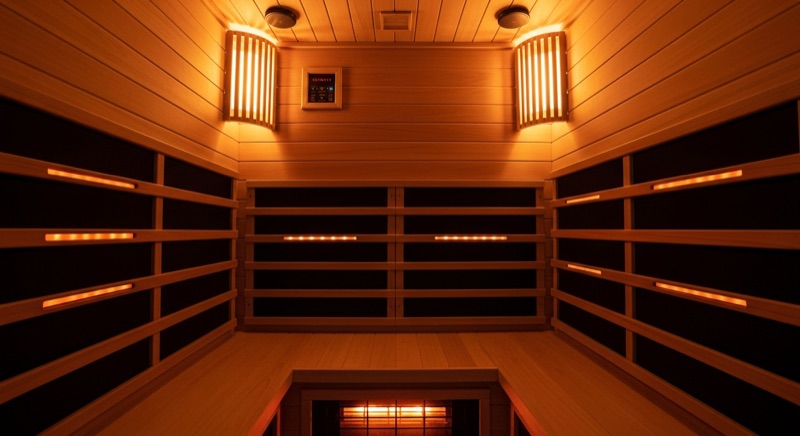
★ Best overallScore 9.4/10
Lumen Heritage 4
Full-spectrum, ultra-low EMF (<0.2 mG), Canadian cedar build. Our top pick after 24 weeks of testing.
Written by
Aleksi Suoninen
Helsinki, Finland. Grew up with sauna as a daily ritual - Finland has more saunas than cars. Tests and writes about infrared sauna products from a Nordic perspective where heat therapy needs no justification.
FinlandIndependent tester