The verdict
Post-workout infrared sauna is where the evidence lives. A 2023 PMC study found a single post-exercise infrared sauna session reduced DOMS severity and attenuated the drop in explosive neuromuscular performance compared to passive recovery. Wait 10-15 minutes after finishing exercise, then enter at 130-140 F for 20-30 minutes. Hydrate heavily before entering.
Pre-workout vs post-workout: the full comparison
Pros
- +Warms muscles and increases blood flow before training
- +Can reduce injury risk by improving tissue temperature and flexibility
- +Useful as a warm-up substitute when no other warm-up time is available
- +Limited use case: 10-15 minutes at 120-125 F only
Cons
- −Raises heart rate before you even begin exercise
- −Causes dehydration before training session starts
- −You start training already partially heat-stressed
- −Increases cardiovascular stress during hard sessions
- −No performance enhancement shown in literature for standard protocols
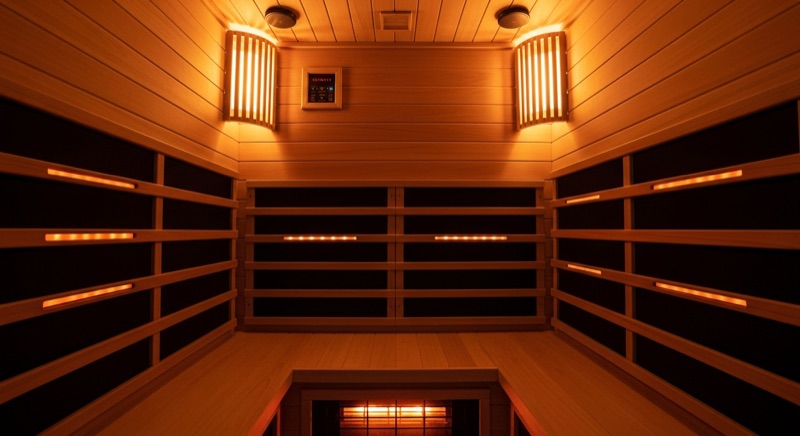
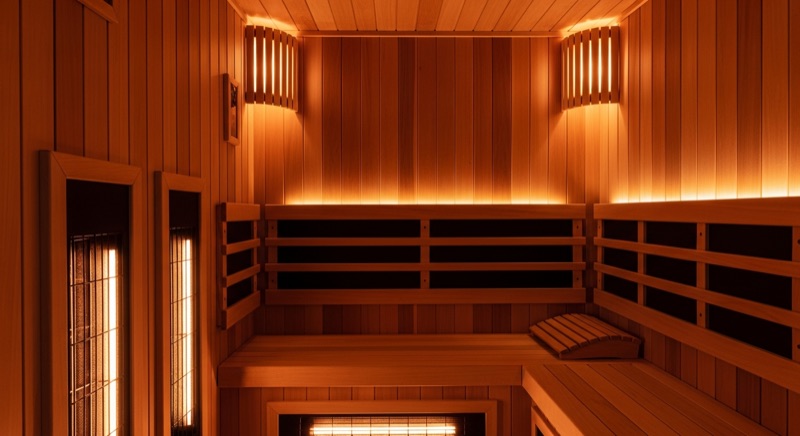
Above: pre-workout sauna. Below: post-workout sauna.
Pros
- +Vasodilation increases blood flow to damaged muscle tissue post-exercise
- +Clears lactate and metabolic waste from working muscles
- +Reduces DOMS severity - measurable in 2023 PMC study data
- +Attenuates drop in explosive neuromuscular performance vs passive rest
- +Does not impair training performance - you have already finished
Cons
- −Do not go directly from exercise to sauna - wait 10-15 min first
- −You are already dehydrated; must drink 16-24 oz before entering
- −Preliminary evidence suggests possible minor blunting of acute hypertrophy signaling (effect size unclear)
- −Adds 30-45 min to your gym/workout routine
The mechanism: why post-workout works
After intense exercise, muscle tissue has sustained microscopic damage and accumulated metabolic byproducts including lactate and hydrogen ions. Recovery depends on blood flow delivering nutrients and immune cells while clearing waste products.
Infrared sauna heat causes vasodilation - widening of blood vessels - which amplifies circulation to peripheral tissue. Applied post-exercise, this means increased blood flow reaches the muscles that just worked hardest. The effect is similar in mechanism to active recovery (light movement), but achieved passively and with greater thermal depth.
The 2023 study comparing post-exercise infrared sauna to passive rest found that the sauna group had meaningfully lower DOMS scores at 24 and 48 hours post-exercise, and maintained better performance on jump tests - a proxy for neuromuscular readiness. These are practical outcomes, not just biomarker differences.
Do not do this
Do not go directly from intense exercise into a sauna. After hard training, core temperature is already elevated, heart rate is high, and you are partially dehydrated. Adding sauna heat immediately creates excessive cardiovascular stress. Wait at least 10-15 minutes, drink water, and let your heart rate come down before entering.
Timing by training goal
| Goal | Optimal timing | Reason |
|---|
| Muscle recovery / DOMS reduction | Post-workout | Vasodilation clears lactate and delivers nutrients to damaged tissue |
| Flexibility / range of motion | Either | Warm muscles stretch better - pre or post both work |
| Endurance training | Post-workout | Pre-sauna before long runs/rides causes premature fatigue |
| Strength training | Post-workout | Pre-session dehydration impairs lifting performance |
| Rest day recovery | Any time | Promotes active recovery without adding training stress |
| Warm-up substitute (limited use) | Pre-workout | 10-15 min at 120-125 F only; not ideal for hard sessions |
Cold plunge integration
If you are combining sauna with cold plunge, the optimal sequence is: workout, then sauna, then cold plunge. This order maximizes both the sauna's recovery benefit and the contrast response of the cold plunge.
The cold plunge after sauna produces a strong endorphin response due to the temperature contrast. From a physiological standpoint, the heat-then-cold sequence also creates a favorable vascular pumping effect: vasodilation from heat, followed by vasoconstriction from cold, which facilitates metabolite clearance. Do not reverse this sequence - cold before sauna blunts the thermal response.
Recommended post-workout protocol
01
Finish workout
Complete your training session as normal
02
Wait 10-15 minutes
Let heart rate and core temperature begin to normalize. Cool down, stretch if needed.
03
Hydrate
Drink 500-700 ml (16-24 oz) of water before entering the sauna. You are already dehydrated from training.
04
Enter sauna at 130-140 F
Pre-heat the sauna if you have not already. Session length: 20-30 minutes.
05
Hydrate again after
Another 500 ml after the sauna session to replace sweat lost during both exercise and heat exposure.
06
Optional: cold plunge
2-5 minutes in cold water (50-60 F) after the sauna session if available.
Frequently asked questions
Is it better to use an infrared sauna before or after a workout?+
After a workout, for most goals. Post-exercise infrared sauna use reduces delayed onset muscle soreness (DOMS) and helps maintain neuromuscular performance during recovery. Pre-workout sauna use raises heart rate and causes dehydration before exercise begins, which increases cardiovascular stress without clear benefit for performance.
How long should I wait after a workout before using the sauna?+
Wait 10-15 minutes after finishing exercise before entering the sauna. This allows initial heart rate and core temperature to come down slightly. Going directly from intense exercise to a 140 F sauna creates excessive cardiovascular stress because you are combining exercise-elevated core temperature with sauna-added heat load.
Can I use an infrared sauna on rest days?+
Yes - rest days are an excellent time for infrared sauna sessions. The sauna promotes active recovery, increases blood flow to recovering muscle tissue, and helps clear residual metabolic waste without adding the mechanical stress of training. There is no conflict between rest-day sauna use and recovery goals.
Written by
Aleksi Suoninen
Helsinki, Finland. Grew up with sauna as a daily ritual - Finland has more saunas than cars. Tests and writes about infrared sauna products from a Nordic perspective where heat therapy needs no justification.
FinlandIndependent tester