Infrared Sauna Color Therapy (Chromotherapy): What It Is and Whether It Does Anything
Chromotherapy - colored LED lights built into the sauna cabin - is one of the most common features on mid-range infrared saunas ($1,500-3,000+). The claims made for it are large: specific colors supposedly affect physiology, mood, and healing in targeted ways. The evidence for these specific claims is weak. What is real is that a pleasant light environment makes sessions more enjoyable, and more enjoyable sessions are more consistent sessions. Here is an honest assessment.
- 01Chromotherapy = decorative LED lighting. The specific color health claims are largely unsupported at decorative light intensities.
- 022015 systematic review: limited evidence for specific therapeutic effects beyond general mood and well-being.
- 03Chromotherapy LEDs are not red light therapy. Therapeutic photobiomodulation requires 50-100 mW/cm2 irradiance - decorative LEDs are far weaker.
- 04Real value: makes sessions more pleasant. A sauna you enjoy using is a sauna you use consistently - which is where the actual health benefits come from.
What Chromotherapy Is
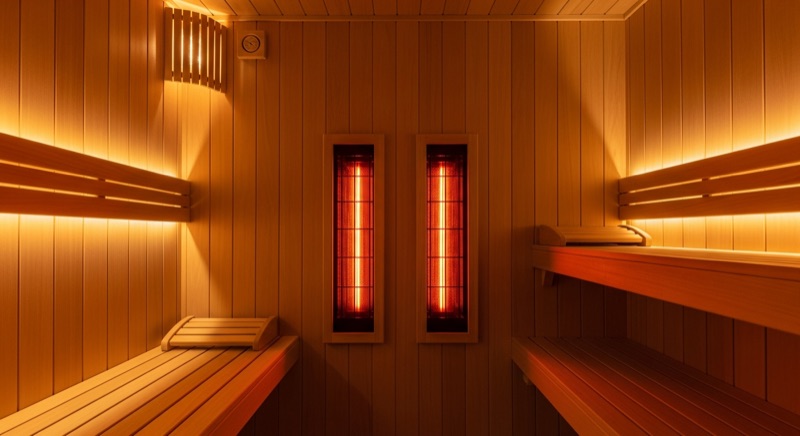
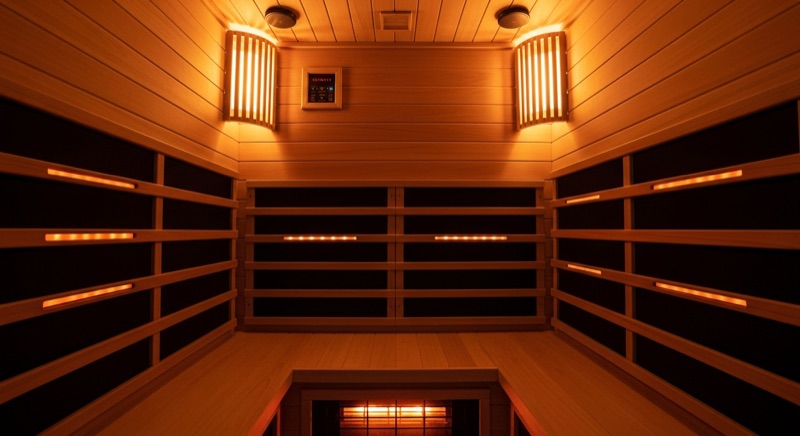
Chromotherapy in the context of infrared saunas refers to a set of LED lights built into the cabin - typically positioned along the ceiling, back wall, or perimeter of the interior - that can cycle through different colors or hold a selected color during a session. Most systems allow the user to choose a static color or set the lights to cycle through the spectrum at a chosen speed. A remote control or digital panel manages the color selection.
The concept derives from a long history of alternative medicine practices that assigned healing properties to specific colors. Chromotherapy as a formal alternative medicine practice dates to the 19th century. The modern sauna version is primarily a technology add-on: colored LEDs are inexpensive, visually appealing, and easily integrated into cabin designs. They became a differentiating feature in the mid-2000s as the infrared sauna market expanded.
What Chromotherapy Claims for Each Color
The color-specific claims vary between manufacturers but follow a consistent pattern derived from chromotherapy tradition. Here is what is claimed and what the evidence supports at decorative light intensities:
What the Evidence Says: 2015 Systematic Review
A 2015 systematic review assessed the evidence for chromotherapy as a therapeutic intervention. The findings were consistent with what the theoretical framework would predict: general well-being and mood effects were plausibly supported - light environments affect how people feel, and different light qualities produce different subjective experiences. Specific physiological effects attributed to individual colors, however, were not supported by clinical trial evidence.
The review did not find that red light at decorative intensity measurably improved circulation in any controlled manner, or that blue light at decorative intensity reliably reduced heart rate or induced calm beyond the general relaxing effect of a dim, colored environment. The distinction between "this color makes me feel a certain way" (psychologically real) and "this color produces a measurable physiological change" (not demonstrated) is important.
What Is Actually Real About Light and the Body
The dismissal of chromotherapy's specific claims should not be read as saying light does not matter. Light absolutely affects human physiology - in well-documented, mechanistically understood ways. Understanding the distinction between what is established and what is not helps calibrate expectations.
Short-wavelength blue light (450-480 nm) suppresses melatonin production through intrinsically photosensitive retinal ganglion cells (ipRGCs). This is a specific, well-documented pathway. It is relevant to sauna use timing at night - bright white or blue-tinted light during an evening session may slightly interfere with melatonin rise. This is a real concern, but the solution is using warmer (amber/red) settings in the evening, not a therapeutic claim for chromotherapy.
Red and near-infrared light at 50-100 mW/cm2, delivered at close range (5-15 cm), has genuine clinical evidence for wound healing acceleration, muscle recovery, and some skin applications. This is "red light therapy" or photobiomodulation (PBM). It is a distinct therapeutic modality from chromotherapy, requires specialized devices, and is not replicated by sauna cabin LEDs which deliver 1-5 mW/cm2 at cabin distances of 50-100 cm from the body.
Light quality, color temperature, and intensity affect mood. A warm amber environment in the evening feels different from harsh fluorescent lighting - this is psychologically real and physiologically reflected in mild differences in cortisol and arousal. This is not the same as specific color therapy claims, but it is the mechanism behind the legitimate practical value of chromotherapy.
Chromotherapy vs. Red Light Therapy: The Important Distinction
Red light therapy (photobiomodulation) is a separate therapeutic modality with genuine clinical evidence. It requires specific wavelengths (typically 630-680 nm red and 800-850 nm near-infrared) at therapeutic irradiances of 50-100 milliwatts per square centimeter, delivered close to the tissue being treated. Standalone red light therapy panels cost $300-2,000+ and are designed specifically for this purpose.
Chromotherapy LEDs in an infrared sauna cabin deliver ambient colored light at roughly 1-5 mW/cm2 at distances of 50-100 cm from the body. The irradiance difference is 10x to 100x. Calling chromotherapy "red light therapy" is a marketing misrepresentation. Some sauna manufacturers have added dedicated near-infrared panels to their cabins; these are a genuinely different feature that deserves separate assessment.
The Real Practical Value of Chromotherapy
After dispensing with the overstated therapeutic claims, what remains is a genuine and legitimate benefit: chromotherapy makes sauna sessions more pleasant. This matters more than it might seem.
The health benefits of infrared sauna are not delivered in a single session. They accrue over weeks and months of consistent use - the cardiovascular benefits documented in Finnish cohort studies reflect 4-7 sessions per week sustained over years. Anything that makes regular sauna use more likely has indirect health value.
A sauna interior with ambient colored lighting is more spa-like, more relaxing, and more pleasant than an identical session under generic white light. If you are spending 20-40 minutes sitting still in an 130-degree environment three times a week, the experiential quality of those sessions affects whether you sustain the habit. In this sense, chromotherapy has real value - not because it heals through color, but because it increases the probability that the sauna gets used.
For evening sessions aimed at improving sleep, use amber or red chromotherapy settings rather than white or blue. The physiological basis for this is real: warmer light colors have less melatonin-suppressing blue light content. This is not a magical color therapy effect - it is basic light biology. Avoid bright white cabin lighting in the 2 hours before bed for the same reason you would avoid a screen with maximum blue light.
Which Saunas Include Chromotherapy
Chromotherapy is a standard feature on most mid-range and premium infrared sauna brands. Budget models below $1,200 typically omit it. The following covers common brands:
Should Chromotherapy Factor Into Your Buying Decision?
Chromotherapy should not be a primary buying consideration. It should not drive you toward a more expensive model or away from a better-built one that lacks it. The sauna's heating quality, EMF levels, wood construction, panel configuration, and warranty are all more meaningful to long-term satisfaction and health outcomes than LED lighting.
If two saunas are otherwise comparable and one includes chromotherapy at the same price, that is a reasonable tiebreaker in favor of the one with it. If a sauna costs $500 more specifically because of chromotherapy and the heating and build quality are otherwise equal, those $500 are not buying you therapeutic benefit - they are buying you ambient lighting.